info@pooppolice.com / (414) 520-4318
info@pooppolice.com / (414) 520-4318
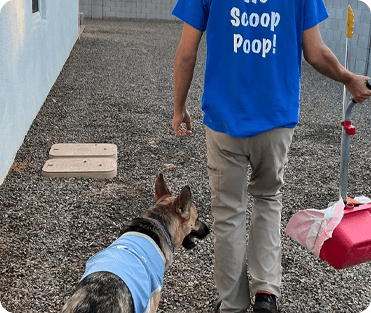
Picking up your dog’s waste is just the first step. If you really want a clean, safe, and odor-free yard, sanitation is key. Whether you’re prepping for a backyard BBQ or just trying to keep your kids safe during playtime, proper disinfection after dog poop removal can make a big difference.
Here’s how to do it right—and why it matters.
Why Sanitizing Matters
Dog poop carries bacteria, parasites, and viruses like:
Even after you remove the visible waste, traces of these pathogens remain in the grass and soil. If left untreated, they can transfer to other pets, kids, or even make their way into your home.
The Lifespan of Dog Poop Bacteria
The lifespan of dog poop bacteria can vary significantly, depending on the factors mentioned earlier. However, here are some general guidelines on the survival of common bacteria found in dog poop:
Campylobacter can survive for up to 3 months in soil, while Giardia can persist for up to 2 months.
How can I prevent the spread of dog poop bacteria in my yard?
Preventing the spread of dog poop bacteria in your yard requires a combination of proper waste disposal, regular cleaning and disinfection, and good hygiene practices. The first step is to dispose of dog waste promptly and properly, either by burying it in a designated area or disposing of it in a sealed bag. It is also essential to regularly clean and disinfect surfaces, such as sidewalks, patios, and pet areas, to reduce the presence of bacteria. Additionally, washing hands thoroughly after handling dog waste or coming into contact with potentially contaminated surfaces can help prevent the spread of bacteria.